


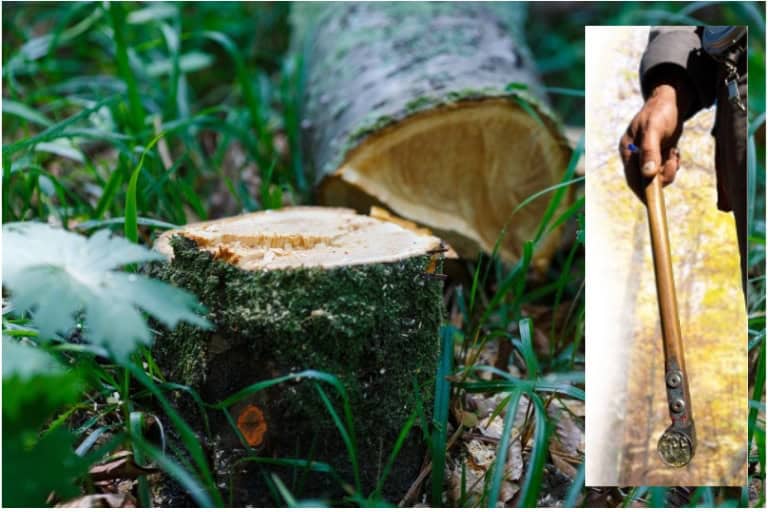
Timber control: from marking trees to measuring timber at the forest exit
WWF-Romania proposes an important change in the way timber harvesting is controlled: moving from a system based mainly on marking trees and estimating volumes before harvesting to measuring timber after harvesting, when it leaves the forest and enters the market.
According to WWF, the current assessment system has administrative, technical and legal limitations. Measuring timber volumes at the forest exit could provide a more accurate picture of the quantities actually harvested and could help strengthen timber control and traceability mechanisms. The organisation supports testing this model in pilot areas, in the context of the amendments proposed by the Ministry of Environment.
Why is this relevant for timber control and traceability?
For mechanisms aimed at controlling illegal logging, such an approach is relevant because verification would focus on the actual quantity of timber entering the economic circuit.
At the same time, WWF proposes that forest management assessments should place greater emphasis on the elements that need to remain in the forest — such as future crop trees, biodiversity trees and deadwood — as well as on compliance with management and conservation objectives.
Source: WWF-Romania
Published by WWF-Romania: 13 January 2026