


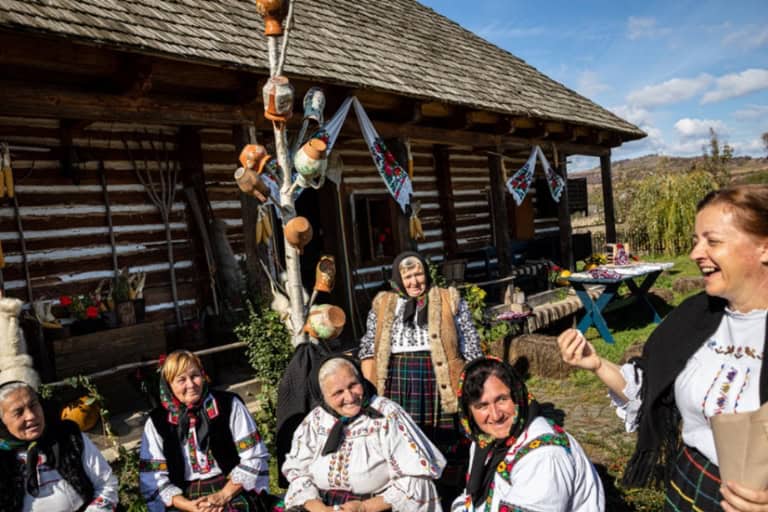
In northern Romania, local communities still preserve traditional forest management practices that have been developed and passed down through generations. WWF-Romania highlights the example of the village of Breb in Maramureș, where the community’s way of life remains closely connected to the forest and to the responsible use of natural resources.
Local people know which trees can be harvested and which should be left to grow, while horses are still used for certain forestry activities instead of heavy machinery. According to WWF, these practices, together with cooperation between the community, foresters and conservation organisations, have contributed to the preservation of significant areas of old-growth forest.
Why is local community involvement important for sustainable forest management?
Sustainable forest management depends not only on regulations and control systems, but also on the way local communities understand and use forest resources. Traditional knowledge, low-impact practices and a long-term economic relationship with the forest can contribute to biodiversity protection and the conservation of natural values.
WWF also shows that forests can generate benefits for communities beyond timber harvesting. In 2022, forests in this area became the first in Romania to be certified for ecosystem services related to recreation and biodiversity, creating new opportunities for conservation and local employment.
At the same time, rural depopulation and the gradual disappearance of traditional crafts remain significant challenges. Preserving this knowledge and creating economic opportunities compatible with forest conservation can help sustain forest communities and protect natural heritage over the long term.
Source: WWF-Romania
Published by WWF-Romania: 29 December 2025